Introduction
Digital health portals have transformed the way patients interact with healthcare providers. Instead of making phone calls or visiting hospitals for every small update, patients can now manage appointments, view medical records, and communicate with doctors online. One such patient portal that has gained attention is MyGradyChart login. It is designed to simplify healthcare management and improve patient engagement through secure online access.
This article provides a complete and easy-to-understand guide for patients who want to use the portal effectively. From account access steps to benefits, features, and troubleshooting tips, everything is explained in simple language so users of all technical levels can follow along.
What Is MyGradyChart?
MyGradyChart is a secure online patient portal that allows individuals to connect with their healthcare providers digitally. It serves as a centralized platform where patients can access personal health information, manage visits, and communicate with medical professionals without needing to visit healthcare facilities physically.
Patient portals like this are part of a broader movement toward digital healthcare systems. They improve transparency, reduce paperwork, and make healthcare more accessible. Through a single dashboard, users can keep track of their treatment history, prescriptions, and upcoming medical needs.
Key Features of the Patient Portal
Understanding the platform’s features helps patients use it more efficiently. Below are some of the core functions available:
1. Access to Medical Records
Patients can review their health summaries, lab results, diagnoses, allergies, and immunization history. This feature ensures that individuals remain informed about their health status.
2. Appointment Management
Users can schedule, reschedule, or cancel appointments without calling hospital staff. Automated reminders also help reduce missed visits.
3. Prescription Refills
The portal allows patients to request medication refills online, saving time and avoiding unnecessary clinic visits.
4. Secure Messaging
Patients can send messages directly to healthcare providers. This is useful for follow-up questions, clarification on treatment plans, or reporting minor health concerns.
5. Billing and Payment Tracking
Many patient portals include billing sections where users can view statements, track insurance claims, and pay medical bills securely.
How to Access Your Account
Getting started with the portal is straightforward. Patients usually receive an activation code from their healthcare provider during registration. Once they have this code, they can create an account.
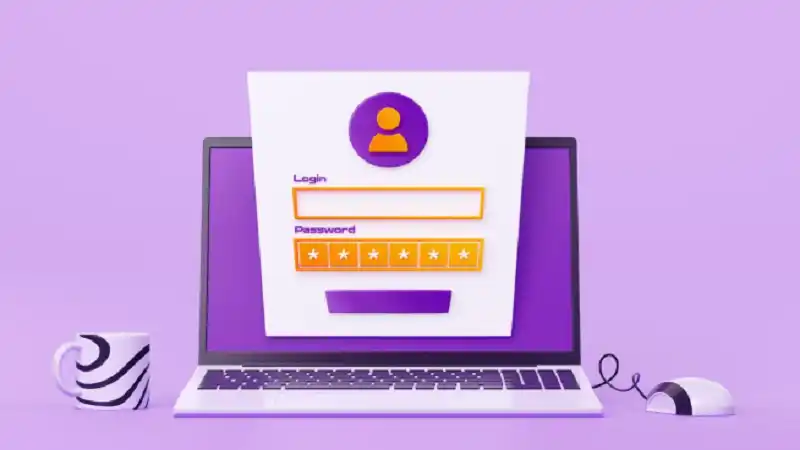
To begin, users should visit the official patient portal page and enter their credentials. During the mygradychart login process, they must provide a username and password created at the time of registration. After successful authentication, the system grants access to the personal dashboard.
If it is the first time logging in, users may be asked to verify their identity through email or phone confirmation. This extra step ensures account security and protects sensitive medical data.
Step-by-Step Registration Guide
For new users, registration is the first step before account access. Here is a simple guideline:
-
Obtain an activation code from your healthcare provider.
-
Visit the patient portal registration page.
-
Enter personal details such as date of birth and contact information.
-
Create a unique username.
-
Set a strong password.
-
Complete identity verification.
-
Confirm account setup through email or SMS.
Once registration is complete, patients can proceed to access their accounts anytime.
Benefits of Using the Portal
Digital patient platforms provide numerous advantages for both patients and healthcare providers.
1. Convenience
Patients can manage healthcare needs from home without waiting in long queues or making repeated calls.
2. Time Savings
Online scheduling, digital prescriptions, and instant record access significantly reduce administrative delays.
3. Better Health Tracking
Having all records in one place allows patients to monitor their progress and make informed health decisions.
4. Improved Communication
Secure messaging ensures quick interaction with healthcare teams, leading to better treatment adherence.
5. Transparency
Patients gain visibility into test results, diagnoses, and treatment plans.
Using tools like the mygradychart login system empowers individuals to take a more active role in managing their health.
Mobile Access and Usability
Modern patient portals are optimized for mobile devices. Whether using a smartphone or tablet, patients can access their dashboards through mobile browsers or dedicated apps (if available).
Mobile usability features include:
-
Easy navigation menus
-
Push notifications for appointments
-
Quick lab result alerts
-
Secure biometric sign-in options
This flexibility ensures patients stay connected to their healthcare information anytime, anywhere.
Security and Privacy Protection
Healthcare data is extremely sensitive, so patient portals implement strong security measures.
Key Security Features
-
Encrypted data transmission
-
Multi-factor authentication
-
Automatic session timeouts
-
Secure password protocols
During the mygradychart login procedure, encryption technology protects user credentials and prevents unauthorized access. Patients are also advised to log out after each session, especially when using shared devices.
Common Login Issues and Troubleshooting
While the system is designed for smooth access, users may occasionally face technical difficulties. Below are common problems and solutions.
1. Forgotten Password
Use the “Forgot Password” option to reset credentials via email or SMS verification.
2. Incorrect Username
Double-check spelling and ensure the caps lock is off.
3. Expired Activation Code
Contact your healthcare provider to request a new code.
4. Browser Compatibility Issues
Clear cache, update the browser, or try a different device.
If users encounter repeated errors during the MyGradychart login attempt, contacting portal support services is recommended for assistance.
Tips for First-Time Users
New users may feel overwhelmed when accessing a patient portal for the first time. These tips can help:
-
Keep login credentials stored securely.
-
Review your health summary after the first sign-in.
-
Enable notification settings.
-
Update contact information regularly.
-
Explore each dashboard section gradually.
Taking time to familiarize yourself with the interface ensures a smoother experience later.
Managing Appointments Efficiently
One of the most valuable portal functions is appointment handling.
Best Practices
-
Book visits in advance.
-
Use reminders to avoid missing appointments.
-
Cancel early if plans change.
-
Check preparation instructions before visits.
Efficient scheduling reduces waiting times and helps healthcare facilities manage patient flow better.
Viewing Test Results and Reports
Lab results are often uploaded directly to the patient dashboard. This allows individuals to:
-
Monitor progress over time
-
Share reports with specialists
-
Prepare questions before consultations
However, patients should consult healthcare professionals before concluding medical data.
Prescription and Medication Management
Medication adherence is critical for treatment success. Through the portal, patients can:
-
View current prescriptions
-
Request renewals
-
Check dosage instructions
-
Track medication history
This feature reduces prescription errors and ensures continuity of care.
Communication With Healthcare Providers
Secure messaging bridges communication gaps between visits. Patients can:
-
Ask follow-up questions
-
Clarify medication usage
-
Report mild symptoms
-
Request medical documents
Unlike regular email, portal messaging systems are encrypted, ensuring privacy and compliance with healthcare data regulations.
Account Safety Best Practices
To keep accounts secure, users should follow these guidelines:
-
Use strong, unique passwords.
-
Avoid public Wi-Fi when accessing health data.
-
Enable two-factor authentication if available.
-
Change passwords periodically.
-
Never share login credentials.
Safe digital habits protect sensitive personal and medical information.
When to Contact Support
Patients should seek technical help if they experience:
-
Continuous access failures
-
Locked accounts
-
Missing medical records
-
Billing discrepancies
-
Messaging errors
Support teams can guide users through verification steps and restore account functionality.
Future of Digital Patient Portals
Healthcare technology continues to evolve rapidly. Patient portals are expected to integrate more advanced tools such as:
-
AI health insights
-
Wearable device syncing
-
Telehealth video consultations
-
Automated prescription renewals
-
Personalized wellness tracking
These innovations will further enhance patient independence and healthcare efficiency.
Conclusion
Digital healthcare platforms have made medical management simpler, faster, and more transparent. Patient portals allow individuals to stay informed, communicate with providers, and manage appointments without unnecessary effort.
By understanding registration steps, features, and security practices, patients can maximize the platform’s benefits. Whether reviewing lab reports, requesting prescriptions, or messaging doctors, the system provides a centralized and secure healthcare experience.
Using the mygradychart login process effectively ensures seamless access to essential medical services and empowers patients to take control of their health journey in a modern, digital environment.